













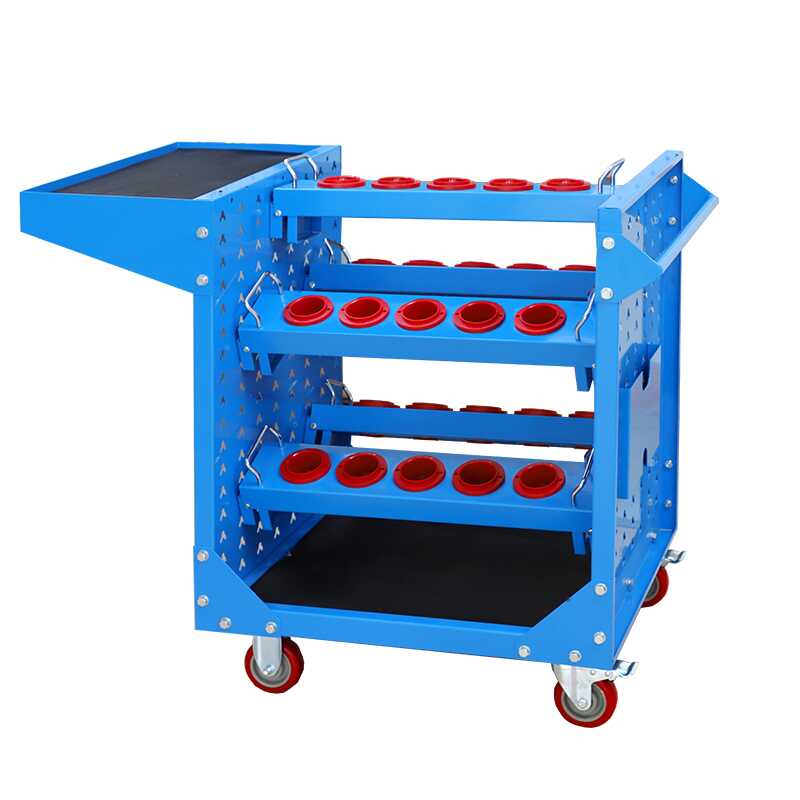


When it comes to organizing tools in a workshop, choosing the right storage system can significantly impact efficiency and workflow. Two of the most common options are Workshop Cabinets and standard tool carts. While both serve important purposes, they are designed for different use cases and environments.
In this article, we compare workshop cabinets and ordinary tool carts to help you decide which solution best fits your needs.
1. Storage Capacity: Large vs. Compact
Workshop Cabinets:
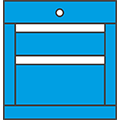
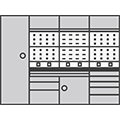
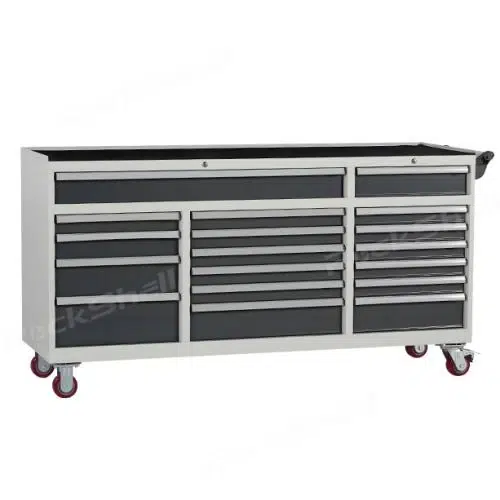
Designed for high-capacity storage, workshop cabinets typically feature multiple drawers, large compartments, and vertical storage space. They are ideal for storing a wide range of tools, parts, and equipment in one centralized location.
Standard Tool Carts:
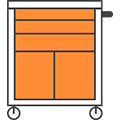
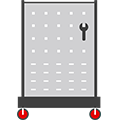
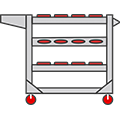
Tool carts are more compact and usually have fewer drawers or open shelves. They are suitable for carrying essential tools but may not accommodate large tool inventories.
👉 Conclusion:
If you need large, organized storage → choose workshop cabinet
If you need basic, portable storage → tool carts are sufficient

2. Mobility: Fixed vs. Flexible
Workshop Cabinets:
Often used as fixed or semi-fixed storage units, although some models come with wheels. Their primary role is to serve as a stable storage base in the workshop.
Standard Tool Carts:
Designed for mobility, tool carts can be easily moved around the workspace, allowing technicians to bring tools directly to the job site.
👉 Conclusion:
For mobility → tool carts
For stability and central storage → workshop cabinets
3. Load Capacity: Heavy-Duty vs. Light-Duty
Workshop Cabinets:
Built with heavy-duty structures and reinforced drawer systems, workshop cabinets can handle large loads, including heavy tools and industrial components.
Standard Tool Carts:
Generally designed for lighter loads, tool carts are better suited for frequently used hand tools rather than heavy equipment.
👉 Conclusion:
For heavy-duty applications → workshop cabinets
For light to medium tasks → tool carts
4. Organization and Efficiency
Workshop Cabinets:
Offer structured storage with multiple drawers, dividers, and optional accessories like pegboards or labeling systems. This allows for systematic organization and quick tool identification.
Standard Tool Carts:
Provide basic organization but may lack advanced features for detailed tool classification.
👉 Conclusion:
For detailed organization → workshop cabinets
For simple storage → tool carts

5. Application Scenarios
Workshop Cabinets are ideal for:
- Manufacturing facilities
- Automotive workshops
- Maintenance departments
- Industrial storage systems
Tool Carts are ideal for:
- On-site repairs
- Mobile technicians
- Small workshops
- Quick-access tool storage
Final Verdict
Both storage solutions play important roles in workshop environments:
- Workshop Cabinet → Best for heavy-duty, high-capacity, and organized storage
- Tool Cart → Best for mobility, flexibility, and quick access
For many professional setups, the best solution is actually a combination of both—using workshop cabinets as the main storage system and tool carts for mobility.
Conclusion
Choosing between Workshop Cabinet and standard tool carts depends on your workflow, storage needs, and workspace layout. By understanding their differences, you can build a more efficient, organized, and productive workshop.


