
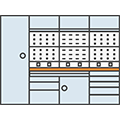
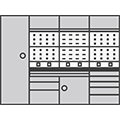
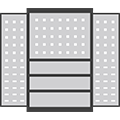
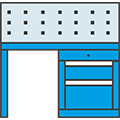
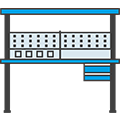
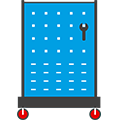
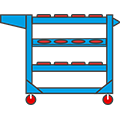


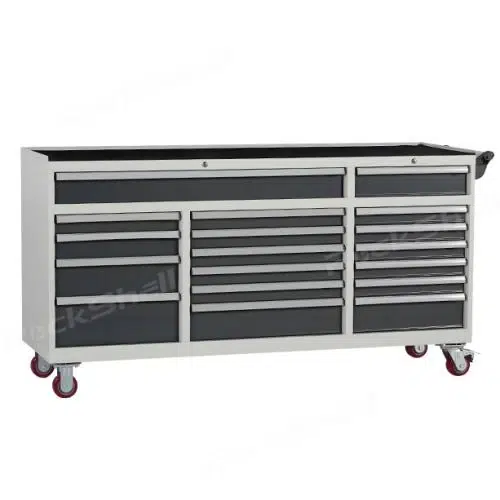


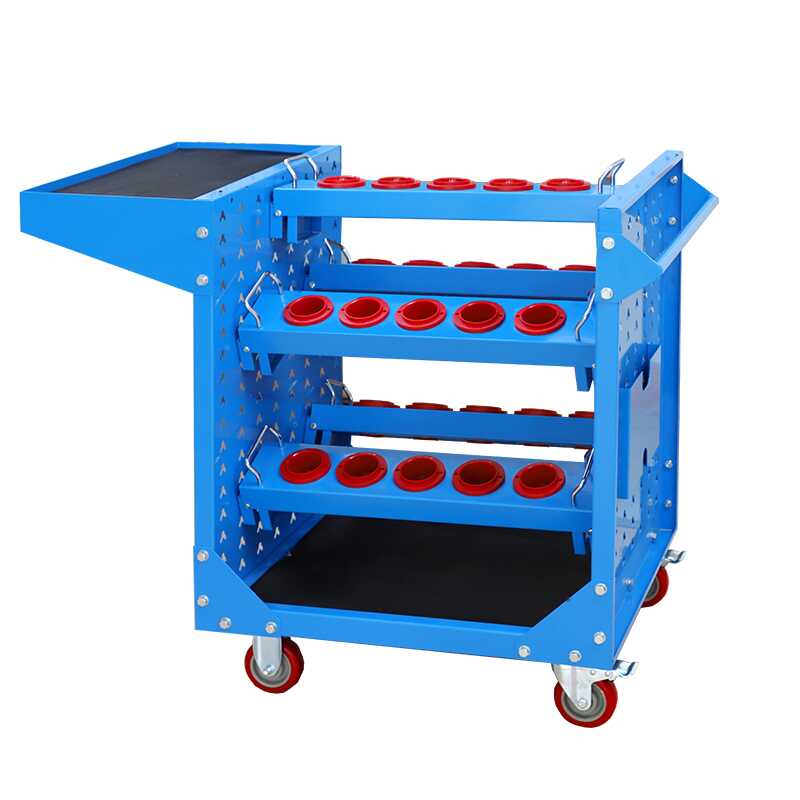


When sourcing a large capacity tool cabinet, especially for factories, maintenance teams, or distributors, the supplier you choose matters as much as the product itself.
Buyers searching for tool cabinet large capacity OEM factory are usually deciding between:
- An OEM manufacturing factory
- A regular supplier or trading company
While both can offer tool cabinets, the differences become very clear once volume, durability, and long-term use are considered.
1. Design Capability: Custom Engineering vs Fixed Models
OEM Factory
- Custom dimensions, drawer heights, and load ratings
- Designed for large-capacity and heavy-duty applications
- Supports complete workstation and modular storage systems
Regular Supplier
- Mostly fixed, off-the-shelf models
- Limited flexibility in structure and configuration
- Not ideal for project-based or specialized applications
➡ For factories and large projects, custom design means real usability.

2. Load Capacity: Verified Performance vs Marketing Claims
OEM Factory
- Clear specifications for drawer load and total cabinet capacity
- Options for single-slide or dual-slide drawer systems
- Structural reinforcement for high-frequency, heavy-load use
Regular Supplier
- Often uses general terms like “heavy duty”
- Actual long-term load performance may be limited
- Higher risk of drawer deformation or slide failure
➡ Large capacity cabinets demand engineered load performance, not labels.
3. Batch Consistency: Stable Production vs Inconsistent Supply
OEM Factory
- Standardized production processes
- High consistency across multiple batches
- Ideal for repeat orders and multi-site deployments
Regular Supplier
- Relies on mixed sourcing or spot inventory
- Possible differences in size, color, or structure between batches
- Difficult to standardize across factories or branches
➡ Consistency reduces management cost and protects brand image.
4. Scalability: Modular Systems vs Standalone Cabinets
OEM Factory
- Modular design platforms
- Cabinets can be expanded with drawers, worktops, or upper units
- Multiple cabinets can be combined into full storage systems
Regular Supplier
- Mostly standalone products
- Limited or no compatibility for future expansion
- Requires full replacement when capacity needs grow
➡ Modularity protects your investment over 3–5 years.
5. OEM Support: Long-Term Partnership vs One-Time Sales
OEM Factory
- Private labeling and branding support
- Custom colors, packaging, and configurations
- Product line optimization for distributors
Regular Supplier
- Limited or no OEM capability
- Focus on single-transaction sales
- Difficult to build a scalable product portfolio
➡ For distributors, OEM factories enable growth, not just supply.

6. Total Cost of Ownership: Long-Term Value vs Lower Unit Price
| Comparison Item | OEM Factory | Regular Supplier |
|---|---|---|
| Unit Price | Slightly higher | Lower upfront |
| Product Life | Longer | Shorter |
| Maintenance Cost | Lower | Higher |
| Expansion Cost | Low | High |
| Total Ownership Cost | Optimized | Higher over time |
➡ Professional buyers evaluate TCO, not just purchase price.
Conclusion: Large Capacity Tool Cabinets Are a System Decision
Choosing a tool cabinet large capacity OEM factory is not simply about buying storage.
It’s about selecting:
- A stable manufacturing partner
- Engineered load performance
- Scalable storage systems
- Reliable long-term supply
For factories, project buyers, and distributors, OEM factories deliver better control, lower risk, and stronger long-term value.


