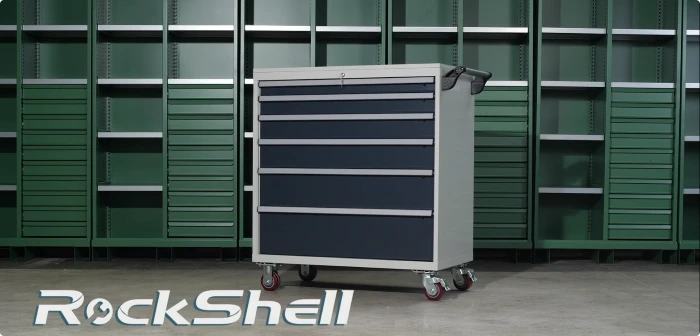
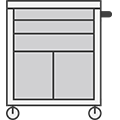
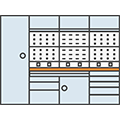
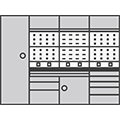




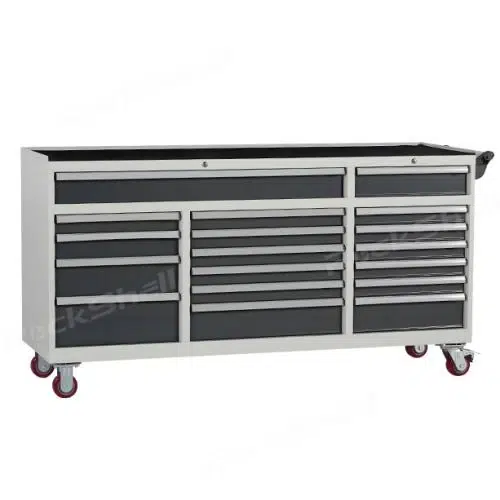


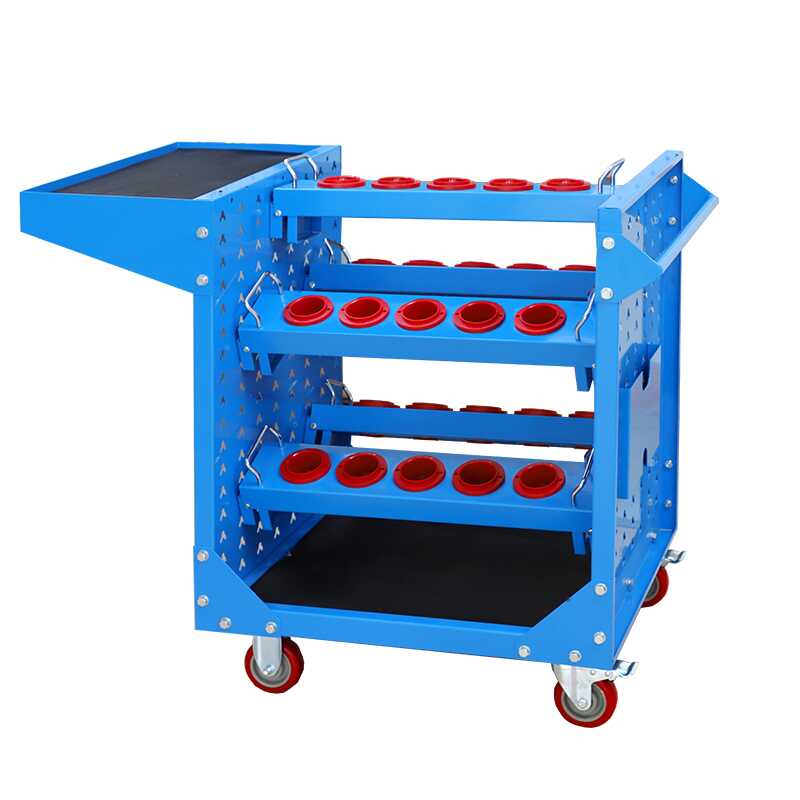


Choosing an industrial cabinet isn’t just about storage.
For factories, maintenance teams, and distributors, it’s a long-term infrastructure decision that affects productivity, safety, inventory control, and operational costs.
Yet many buyers still evaluate cabinets the same way they would consumer products — comparing price tags and appearance first.
In industrial environments, that approach often leads to higher lifetime costs, workflow bottlenecks, and early replacements.
This guide explains how professional buyers evaluate industrial cabinets — and how you can make smarter purchasing decisions for large-scale operations.
1. Start With Workflow, Not With the Cabinet
The biggest mistake in industrial cabinet purchasing is selecting products before understanding workflow.
Professional buyers always begin with questions like:
- How many operators use the cabinet daily?
- Are tools shared across shifts?
- Does equipment need to move between stations?
- Is space fixed or reconfigurable?
- Will this layout expand in 1–3 years?
A cabinet in a CNC area has very different requirements than one in an assembly line or maintenance bay.
Instead of asking “Which cabinet model should we buy?”, ask:
“What work process must this cabinet support?”
This shift in thinking often leads buyers toward modular systems rather than single standalone units.

2. Load Capacity Matters More Than You Think
Many industrial cabinets look similar — but internal load ratings vary dramatically.
Key specifications to verify:
- Drawer load capacity (per drawer, not total)
- Cabinet frame load rating
- Drawer slide type (single rail vs dual rail)
- Extension ratio (70%, 80%, or full extension)
For factories and fleet buyers, under-rated drawers cause:
- Deformed slides
- Jammed drawers
- Safety risks
- Increased maintenance costs
Professional procurement teams always request certified load data before placing volume orders.
3. Modular Design = Lower Long-Term Cost
For batch buyers and distributors, modularity is no longer optional.
Modern factories rarely stay static. Production lines evolve. Teams expand. Layouts change.
Modular cabinet systems allow:
- Adding workbenches later
- Expanding drawer units vertically
- Connecting multiple cabinets into workstations
- Standardizing SKUs across departments
Instead of replacing entire storage setups, companies simply expand existing systems.
This dramatically reduces total ownership cost over 5–10 years.
Distributors also benefit from modular platforms because fewer core models support more customer configurations.
4. Material and Finish Should Match the Environment
Industrial cabinets operate in very different conditions:
- Automotive workshops
- Electronics assembly
- Heavy manufacturing
- Warehouse maintenance
- Aerospace or clean areas
Each environment demands specific surface treatments:
- Powder coating for corrosion resistance
- Reinforced steel frames for vibration zones
- ESD coatings for electronics
- Oil-resistant finishes for mechanical areas
Choosing the wrong finish leads to early wear and customer complaints — especially for resellers.
5. Locking, Mobility, and Safety Are Operational Decisions
Features like locking systems and casters aren’t accessories — they affect daily operations.
Ask:
- Do tools need access control?
- Will cabinets move between work cells?
- Are floors smooth or industrial concrete?
- Is anti-tip protection required?
For mobile applications, look for:
- Industrial-grade casters
- Central locking systems
- Brake-integrated wheels
- Reinforced base frames
These details separate true industrial cabinets from light-duty products.

6. For Bulk Buyers: Production Capability Matters as Much as Product
Factories and distributors purchasing in volume should evaluate suppliers beyond catalogs.
Important questions include:
- Monthly production capacity
- Lead time for repeat orders
- Consistency between batches
- OEM/ODM capability
- Spare parts availability
A cabinet supplier becomes part of your supply chain — not just a vendor.
Stable production and engineering support often matter more than small unit price differences.
7. For Distributors: Think in Systems, Not Individual Units
Successful distributors don’t sell cabinets.
They sell storage solutions.
That means offering:
- Pre-configured workstation combinations
- Scalable cabinet families
- Custom branding options
- Regional compliance support
A well-structured product system helps distributors close larger projects instead of single-unit orders.
Final Thought: Industrial Cabinets Are Infrastructure
Industrial cabinets are not consumables.
They are part of your operational backbone.
Whether you are outfitting a production line, equipping maintenance fleets, or building a dealer portfolio, the right cabinet system improves efficiency, reduces downtime, and supports future growth.
Choose systems designed for scale — not just products designed to sell.