















Efficient tool storage is the foundation of any productive workshop, garage, or industrial workspace. Whether you manage a factory floor, run an automotive service center, or organize a professional garage, selecting the right storage system directly affects workflow, safety, and long-term equipment protection.
While many buyers start by comparing prices or sizes, the smarter approach is to first determine which type of storage solution best fits your working style and future expansion plans.
Start with Your Workflow, Not the Cabinet
Before selecting any storage equipment, analyze how your tools are used daily.
- Do technicians move between workstations?
- Are tools shared among teams or individually assigned?
- Do you need storage that doubles as a workspace?
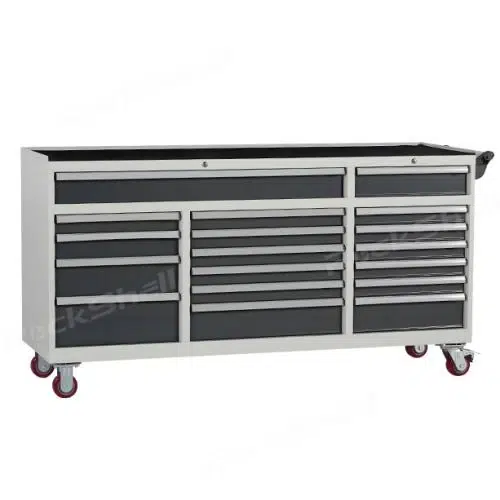
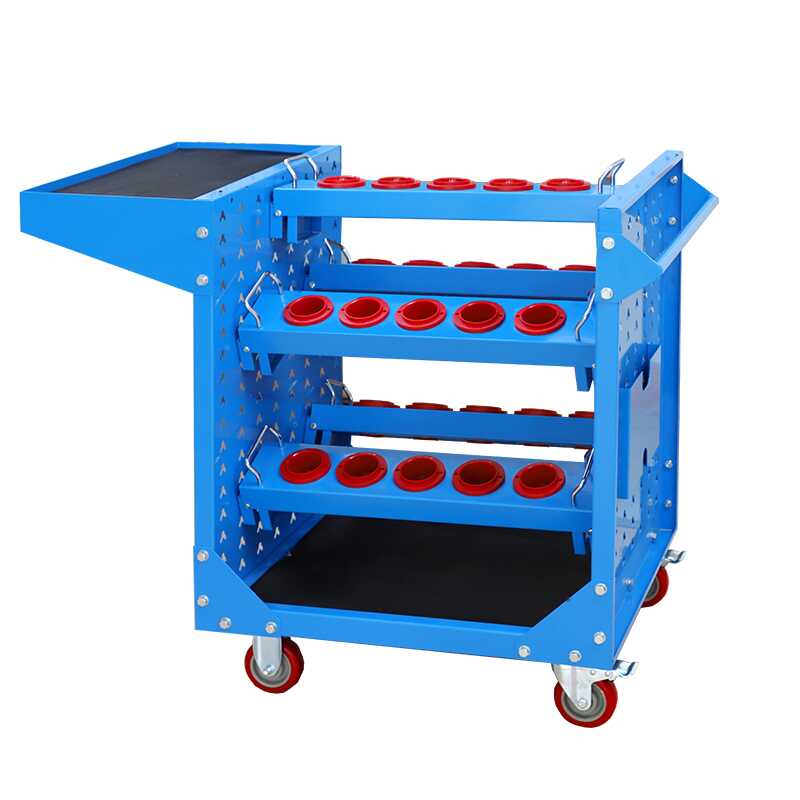
If mobility is critical, rolling cabinets or tool carts may improve efficiency.
If tools must remain secured in fixed zones, stationary cabinets or modular systems are often more suitable.
For a deeper breakdown of cabinet categories, materials, and maintenance practices, you can also refer to our detailed Tool Cabinet Selection Guide, which explains core features and buying considerations step by step.
When a Tool Cabinet Is the Best Choice
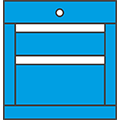
Tool cabinets remain the most popular storage solution for professional environments because they combine durability, security, and organization.
They are ideal when:
- Tools are high-value and require locking protection
- Workspaces need long-term organization systems
- Multiple technicians share centralized storage
- Heavy equipment must be stored safely
Industrial steel cabinets, in particular, provide strong load-bearing capacity and resistance to wear, making them suitable for manufacturing and maintenance environments.
When a Tool Cart or Mobile System Works Better
In fast-paced environments such as automotive repair or assembly lines, mobility can be more important than maximum storage.
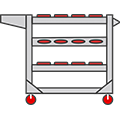
A tool cart is often the better solution when:
- Workers move frequently between stations
- Tools must remain within arm’s reach during repairs
- Flexible workspace layouts are required
- Storage also needs to function as a temporary workbench
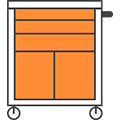
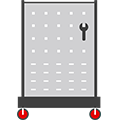
Many modern rolling cabinets combine drawers, pegboards, and work surfaces, effectively acting as both storage and workstation.
Why Modular Systems Are Becoming the Industry Standard
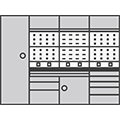
For companies planning long-term expansion, modular storage systems offer the most flexibility.
Instead of purchasing a single cabinet, modular setups allow you to:
- Add cabinets as your tool inventory grows
- Combine drawers, shelving, and worktops
- Customize layouts for specific departments
- Adapt storage to changing workflows
This scalability makes modular storage especially attractive for factories, distributors, and multi-site operations.

Think Beyond Today’s Storage Needs
One of the most common mistakes buyers make is choosing storage based only on their current tool quantity. In reality, tool collections expand quickly as operations grow.
When planning your storage solution, consider:
- Expected team growth
- New equipment purchases
- Changes in workspace layout
- Increased safety requirements
Choosing a slightly larger or modular system today can prevent costly upgrades later.
Final Thoughts
The right tool storage solution is not just about cabinets — it’s about supporting productivity, protecting equipment, and preparing for future growth.
By understanding how your workspace operates and combining that knowledge with proven selection principles from our Tool Cabinet Selection Guide, you can confidently invest in a storage system that improves efficiency and lasts for years.


